Newsletter Subscribe
Enter your email address below and subscribe to our newsletter

 ByJohn A
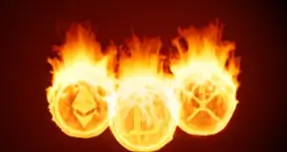
Crypto token burning is the deliberate removal of tokens from circulation to reduce total supply. It creates measurable scarcity by sending tokens to verifiably unusable addresses or contracts. Burns can be planned via schedules or events, with transparency and audits central to credibility. The practice prompts assessment of price impact, governance shifts, and market psychology. Yet its true effect remains debated, inviting careful examination of verification methods and long-term incentives. The discussion continues beyond the basics.
Token burning is the intentional removal of crypto tokens from circulation, reducing the total supply and increasing scarcity. It serves as a mechanism to align incentives, temper inflation, and signal long-term commitment.
Token incentives may shift holder behavior toward retention and stakeholding, while community governance often debates burning thresholds and schedules. The result is greater market discipline and potential for decentralized decision-making.
How does burning unfold in practice across networks and platforms? In practice, burn events reduce token supply through verifiable on-chain actions, with platforms varying in cadence and visibility.
Burn models determine frequency and scale, shaping market impact and user perception.
Verification risks arise from incomplete disclosures, while automated mechanisms rely on robust audits to maintain trust and operational integrity.
See also: How Artificial Intelligence Helps Automate Repetitive Office Tasks
Burn models shape how visible reductions in supply translate into price signals and long-run value prospects.
They frame burn mechanisms as policy-like tools, influencing market psychology and scarcity dynamics.
Price effects depend on frequency, magnitude, and certainty of burns, as well as token demand response.
Critics note potential offsetting incentives, while defenders cite disciplined supply discipline and clearer long-run incentives.
Assessing burn claims requires a careful appraisal of scope, mechanisms, and verifiability to distinguish genuine supply reductions from aspirational rhetoric.
The analysis emphasizes burn verification processes, such as transaction tracing and on-chain attestations, to confirm actual token removal.
Risk assessment identifies potential manipulation, ambiguous burn events, and timing effects, guiding readers toward disciplined interpretation and skeptical scrutiny of claimed reductions.
Token burning reduces circulating supply by permanently removing tokens via burn addresses or smart contracts, signaling commitment and potentially boosting long-term value. In practice, transparency, auditability, and verifiable totals are essential to assess impact on price and governance. Different burn models yield varying incentives and risks, from immediate scarcity effects to unintended market distortions. How can investors distinguish credible burns from rhetoric, ensuring claimed reductions are verifiable and economically meaningful rather than merely cosmetic theatrics?